Sponsored article
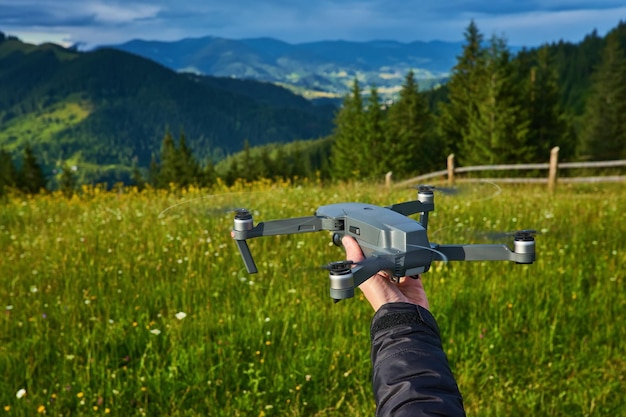
In recent years, drone technology has made significant strides in various industries, with agriculture being no exception. This modern technology is now at the forefront of agricultural innovation, providing farmers with invaluable tools to enhance productivity and sustainability. By integrating drones into farming practices, agricultural operations are experiencing transformative changes in crop monitoring, resource management, and data collection, leading to smarter, more efficient farming solutions.
Incorporating drones into agriculture has revolutionized crop monitoring by providing farmers with invaluable insights through detailed aerial imaging and real-time data. These unmanned aerial vehicles are equipped to capture high-resolution images that reveal the health and vigor of crops across expansive fields. This advanced aerial perspective enables farmers to monitor even the most inaccessible areas with precision and efficiency. Drones facilitate early identification of issues such as pest infestations, nutrient deficiencies, and water stress, enabling timely and targeted interventions. Through precision agriculture, these technologies empower farmers to optimize inputs, enhance crop management strategies, and ultimately improve yield outcomes. The integration of drones into modern farming practices signifies a leap forward in agricultural innovation, fostering sustainable practices and boosting productivity. To explore state-of-the-art options, consider learning more about unmanned aerial vehicle solutions that cater to diverse agricultural needs.
In the quest for more sustainable agriculture, the integration of drones into resource management has emerged as a game-changer. Drones offer a high-tech solution to optimizing resource allocation on farms, significantly boosting efficiency across various operations. By employing drones, farmers can achieve precise irrigation, ensuring that water is applied only where and when it is needed, thereby conserving this vital resource. This precision extends to fertilization, where drones can deliver nutrients in a targeted manner, reducing overuse and environmental impact. Moreover, drones provide real-time aerial imagery, offering insights into crop health and enabling farmers to make informed decisions that minimize waste and maximize yield. The ability to gather and analyze data swiftly allows for more responsive and customized interventions, tailoring resource application to the unique needs of crops and land. As a result, drones are not just tools; they are pivotal in enhancing the efficiency of resource management, fostering more sustainable agricultural practices for the future.
The integration of drone technology into modern agriculture has revolutionized the way farmers approach data-driven farming, offering unprecedented advantages in data collection and farming analytics. Drones play a pivotal role by collecting vast amounts of data swiftly and efficiently, covering extensive tracts of land in a fraction of the time it would take using traditional methods. This data is crucial for informed decision-making, providing farmers with precise insights into their crops and soil conditions. With drones, farmers can easily monitor crop health, assess plant stress levels, and detect pest infestations early. This detailed data enables the development of robust farming analytics, enhancing productivity and reducing risks. Key contributions of drones in agriculture include:
Consequently, drones facilitate data-driven decision-making, empowering farmers to maximize efficiency and sustainability in their operations.