Sponsored article
In an era where the security of critical infrastructure is paramount, leveraging advanced drone technologies offers a significant leap forward. These cutting-edge tools provide unparalleled surveillance capabilities, allowing for continuous monitoring and rapid response to potential threats. By integrating drones into security strategies, organizations can achieve a new level of protection and operational efficiency. This article delves into the remarkable impact of drones on securing vital infrastructure.
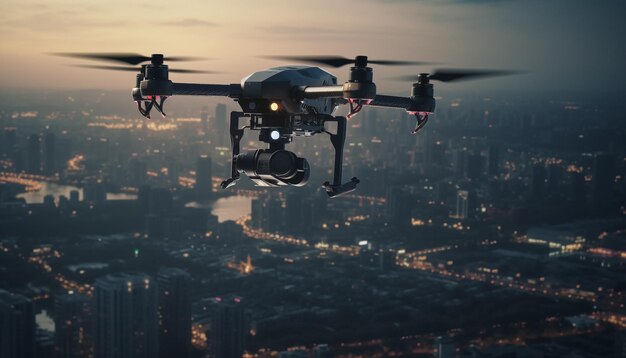
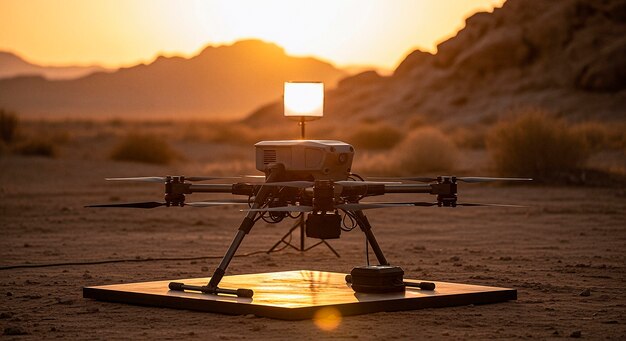
In the realm of infrastructure security, drone applications are revolutionizing how we monitor and safeguard critical assets such as power plants, bridges, and communication networks. These advanced unmanned systems offer unparalleled capabilities in surveillance and threat detection, enabling comprehensive oversight of vast areas with speed and precision. Drones equipped with high-resolution cameras and sensors can efficiently patrol strategic locations, identifying potential hazards, unauthorized entries, or suspicious activities that traditional methods might overlook. Leveraging technologies such as thermal imaging and real-time data analytics, drones provide actionable intelligence, thus enhancing both operational efficiency and security effectiveness. As a leading UAV manufacturer, MADDOS exemplifies the forefront of innovation by designing state-of-the-art systems that meet the demanding needs of infrastructure security, ensuring a robust defense mechanism against evolving threats. Through constant monitoring and rapid response capabilities, drones play a critical role in fortifying essential infrastructures around the world.
In terms of securing critical infrastructure, drone technology benefits are increasingly outshining traditional security methods. Drones offer unmatched aerial surveillance capabilities, providing a bird’s-eye view of large areas that ground-based systems simply can’t cover with the same comprehensiveness or detail. Here are some key advantages of drones compared to traditional methods:
Utilizing drone technology can transform how we protect vital infrastructure by integrating advanced surveillance with operational efficiency and responsiveness.
As we look toward the horizon of drone technology, several exciting drone trends promise to redefine how we secure critical infrastructure. Foremost among these are security innovations driven by AI integration, which equips drones with enhanced decision-making capabilities. This allows for real-time threat assessment and response, minimizing human error and dramatically increasing efficiency. Furthermore, future technology improvements in sensor systems are on the rise, providing drones with heightened sensory abilities to detect hazardous materials, structural faults, or unauthorized intrusions with unprecedented precision. The anticipated leap in autonomous operations is another pivotal trend, allowing drones to independently patrol extensive areas, conduct continuous surveillance, and relay vital information without direct human intervention. These advancements signify a transformative shift, suggesting that future drone technologies will not only bolster security measures but also set new standards in safeguarding critical assets.